
How long insurance pays for temporary housing: ALE time limits against real rebuild times
How long Additional Living Expense lasts: typical policy time limits, the three states with a 24-month statutory minimum, and county rebuild data showing why the extension request matters more than the cap.
Contact us
Share a few details. We will follow up with options that fit.
Key facts
- Typical ALE time limit: 12 to 24 months (Washington OIC).
- Marshall Fire, Colorado: 75 percent of destroyed homes had a certificate of occupancy 47 months after the fire (Boulder County, December 2025).
- Lahaina, Hawaii: 601 homes complete and 410 under construction 36 months after the fire (Maui County, September 2026).
- California, Colorado and Oregon: 24-month minimum, extendable to 36, for declared-emergency losses.
- Extensions are requested in writing before the period ends; the statutes put the request on the insured.
How long do policies usually pay?
Twelve or 24 months, whichever the form states, or until the dollar cap is spent. The regulator's range is 12 to 24 months.
Where does the law set a minimum?
California, Colorado and Oregon: 24 months after a declared-emergency loss, extendable to 36. Every state's row is on ALE time limits by state.
How long do rebuilds take after a declared disaster?
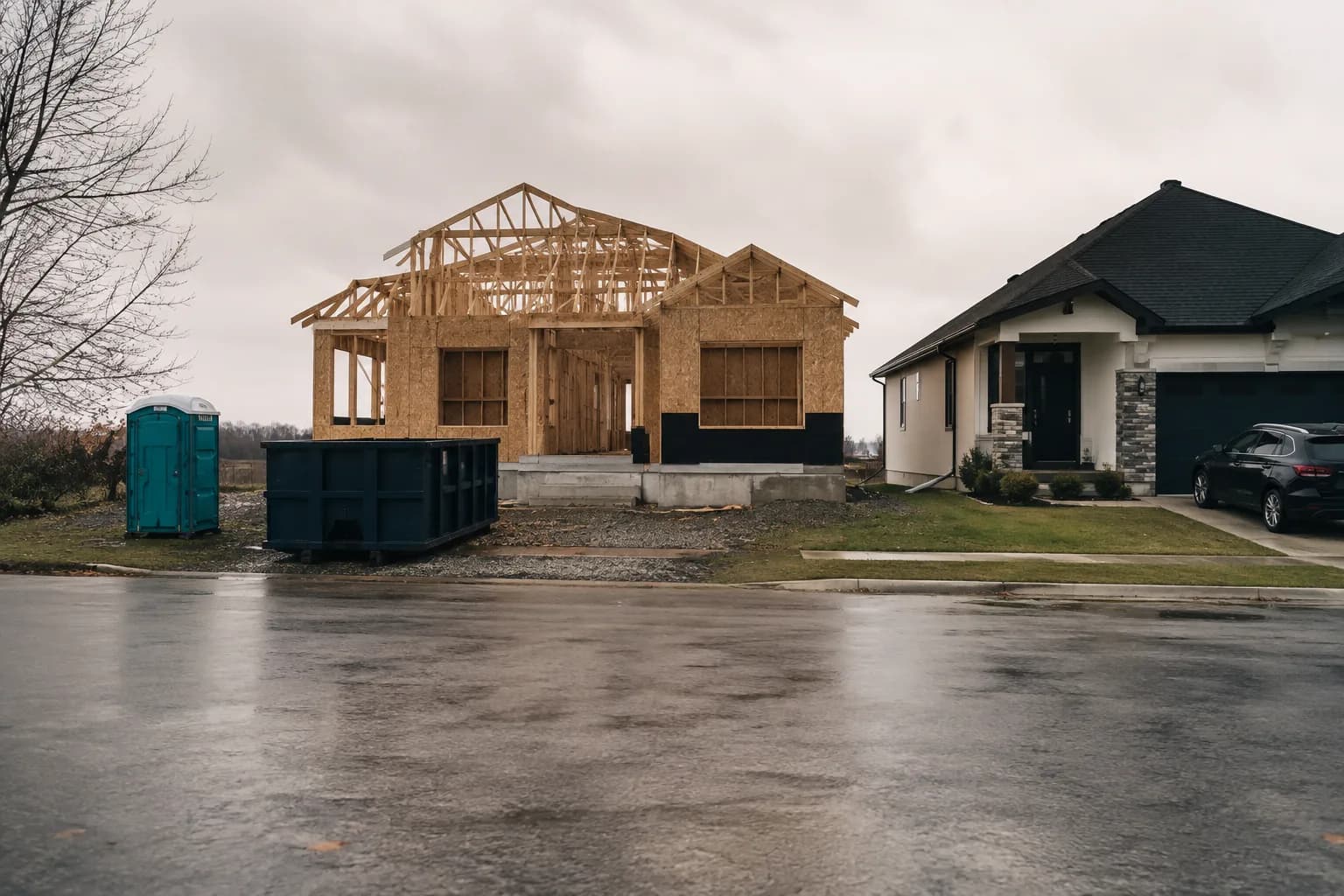
Longer than either cap in the two county dashboards we read. The table shows the months from each fire to the county's report date.
| Event | Months to report date | What the county reported |
|---|---|---|
| Marshall Fire, Boulder County, Colorado | 47 | Building permits issued: 931; Share of destroyed homes permitted: 84%; Certificates of occupancy granted: 829; Share of destroyed homes with occupancy: 75%; Share with no affirmative recovery: 8%. As of 2025-12-01. Boulder County, Marshall Fire recovery |
| Lahaina wildfire, Maui County, Hawaii | 36 | Homes completed: 601; Homes with issued permits: 680; Homes with permits in process: 530; Homes under construction: 410. As of 2026-09-01. Maui Recovers, Rebuild Dashboard |
What ends ALE?
- The home becomes livable, or you permanently relocate.
- The dollar cap is reached.
- The time cap passes without a granted extension.
Only the third is under your control, and only if the request is in writing before the period ends.
What people assume, and why it costs them
That the insurer will raise the extension. The statutes put the request on the insured, and each named trigger needs a document: the permit receipt, a dated contractor letter, a supplier backorder notice.
Questions people ask
- What ends ALE payments?
- The home becoming livable, a permanent move, the dollar cap being reached, or the time cap passing without a granted extension. Only the last is in your control, and only if the request is in writing before the period ends.
- Will my insurer raise the extension question for me?
- Do not count on it. The statutes place the request on the insured. Send it with the permit application receipt, the contractor's dated schedule and any supplier backorder notice.
- When should I send the extension request?
- By month 10 on a 12-month form and by month 20 on a 24-month form, even if the rebuild looks on time. A request sent early costs nothing; one sent after the period ends is a dispute.
- How long do rebuilds actually take?
- Longer than any policy cap in the two county dashboards we read. Marshall Fire reached 75 percent occupancy at 47 months. Lahaina had 410 homes still under construction at 36 months. Plan for the rebuild to outlast the policy.
- Is there a sample extension letter?
- United Policyholders publishes one for total losses and one for standing homes after a wildfire. Both are linked in the sources on this page.
What to do next
- Write the date of loss and count forward to month 10 and month 20. Put both on a calendar.
- Ask the contractor for a written schedule with the permit milestone, and keep every revision.
- Send the first extension request at the earlier calendar date with the schedule attached.
- Start the fallback housing plan the same day, funded by the advance rules on this site.
How we know
Each finding below names its source, what we did to it, what it means for you and what it costs to ignore. Figures marked measured decay and are re-measured before they are 60 days old.
Reviewed by TempHome Finder editorial. Published 2026-09-06. Updated 2026-09-07.
Sources
- Washington OIC, Additional living expenses coverage (accessed 2026-09-06)
- Boulder County, Marshall Fire recovery (accessed 2026-09-06)
- Maui Recovers, Rebuild Dashboard (accessed 2026-09-06)
- California Insurance Code §2060 (accessed 2026-09-06)
- Colorado HB22-1111, C.R.S. 10-4-110.8 (accessed 2026-09-06)
- Oregon HB 3272 (2021), ORS chapter 742 (accessed 2026-09-06)
- United Policyholders, claim guidance library (ALE sample letters) (accessed 2026-09-06)
- Insurance Information Institute, what is covered by a standard homeowners policy (accessed 2026-09-06)
Not sure which housing type fits?
Tell us your situation. We route you to education, a provider match, or LongTerm RV when an RV path makes sense.