
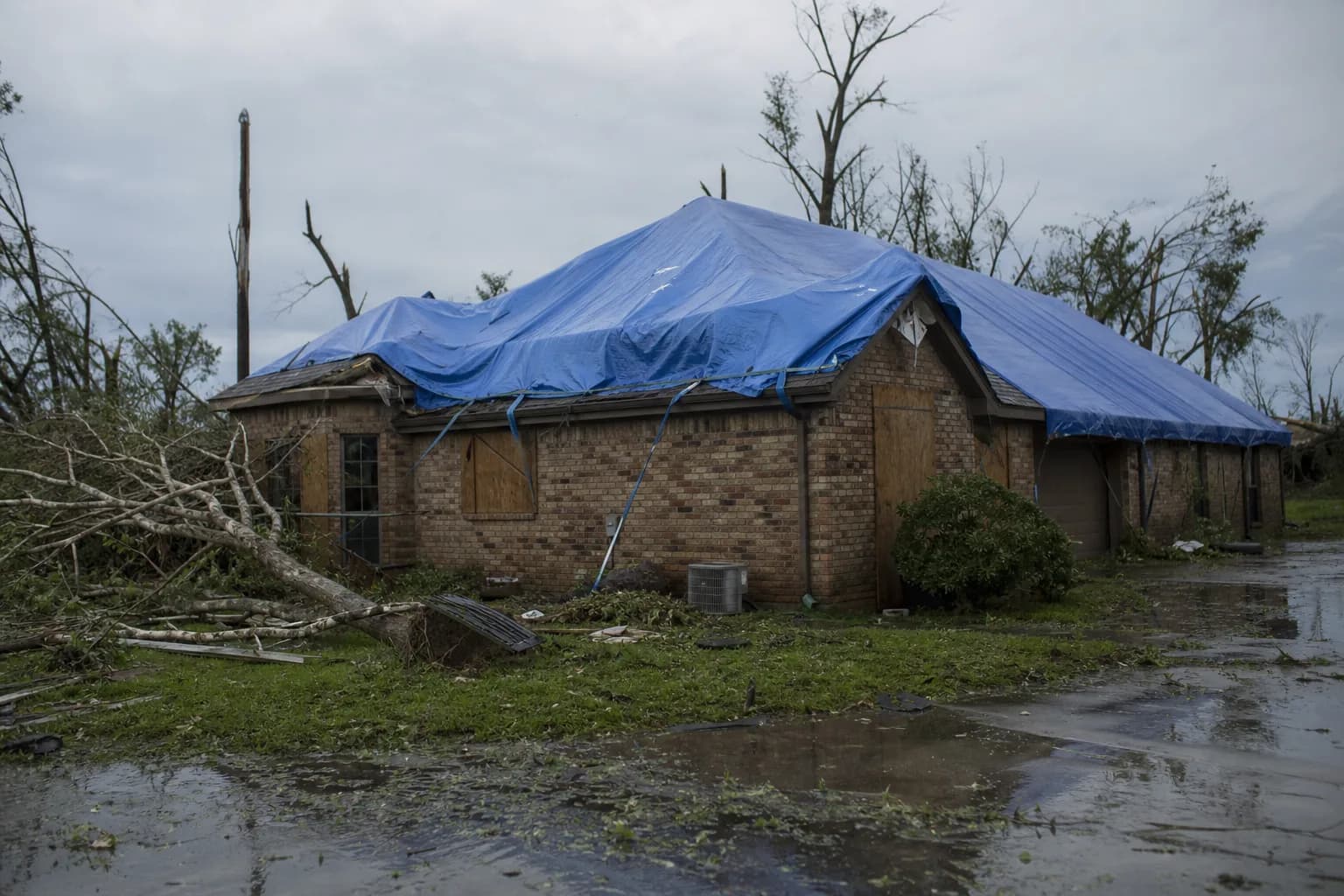
Temporary housing after a flood: what flood insurance pays, what homeowners ALE covers, and the FEMA path
Temporary housing after a flood: the NFIP exclusion for living expenses, when homeowners Additional Living Expense still applies, why the flood claim must be filed on day one anyway, and how FEMA rental assistance works.
Contact us
Share a few details. We will follow up with options that fit.
Key facts
- The NFIP policy excludes temporary housing and additional living expenses during repair (FloodSmart).
- A homeowners policy may pay for a hotel or rental when the home is damaged by a covered event; a utility outage alone probably does not qualify (Texas TDI).
- FEMA considers housing assistance after the insurer's settlement or denial letter (FEMA).
- Drying, mold remediation and electrical inspection run in weeks before rebuilding starts.
Who pays for housing after a flood?
- The NFIP flood policy: nothing toward temporary housing or living expenses.
- The homeowners policy: ALE, only where a covered non-flood peril damaged the home, such as wind opening the roof.
- FEMA: rental assistance or lodging reimbursement, after the insurer's settlement or denial letter.
What order do you file in?
- Day one: file the flood claim and the homeowners claim, and register with FEMA.
- Keep every lodging folio in two files, marked with the program each night went to.
- Send the flood settlement or denial letter to FEMA the day it arrives.
- If a covered non-flood peril also damaged the home, request the comparable rate and an advance from the homeowners insurer in writing.
The two programs side by side are on FEMA versus insurance.
Which housing fits a dry-out?
A hotel for the first days. Then a furnished rental where inventory survived the water, or an RV on the lot once the lot is safe and the power is inspected. The lot checks are on the RV lot feasibility checklist.
State desks
Louisiana, Texas, Florida and North Carolina.
Questions people ask
- Does flood insurance pay for a hotel?
- No. The NFIP policy excludes temporary housing and living expenses whatever caused the flooding. That is why FEMA rental assistance exists for flood households.
- Then why file the flood claim on day one?
- Because its settlement or denial letter is what FEMA needs to consider rental assistance. Every day it is not filed is a day the FEMA housing decision cannot start.
- When does my homeowners policy pay for housing after a flood?
- When a covered peril other than flood damaged the home, such as wind opening the roof before the water came in. The ALE claim rests on that peril.
- What housing fits a dry-out?
- A hotel for the first days. Then a furnished rental where inventory survived the water, or an RV on the lot once the lot is safe and the power is inspected.
What to do next
- File the flood claim and the homeowners claim on day one, and register with FEMA the same day.
- Keep every lodging folio in two files, marked with the program it went to.
- Send the flood settlement or denial letter to FEMA the day it arrives.
- If wind or another covered peril also damaged the home, request the comparable rate and an advance from the homeowners insurer in writing.
How we know
Each finding below names its source, what we did to it, what it means for you and what it costs to ignore. Figures marked measured decay and are re-measured before they are 60 days old.
Reviewed by TempHome Finder editorial. Published 2026-09-06. Updated 2026-09-07.
Sources
- FloodSmart, what the NFIP covers (accessed 2026-09-06)
- Texas TDI, home damaged FAQ (accessed 2026-09-06)
- FEMA, Individuals and Households Program (accessed 2026-09-06)
- FEMA, Housing assistance (accessed 2026-09-06)
- Insurance Information Institute, what is covered by a standard homeowners policy (accessed 2026-09-06)
- Washington OIC, Additional living expenses coverage (accessed 2026-09-06)
Not sure which housing type fits?
Tell us your situation. We route you to education, a provider match, or LongTerm RV when an RV path makes sense.